Our Product

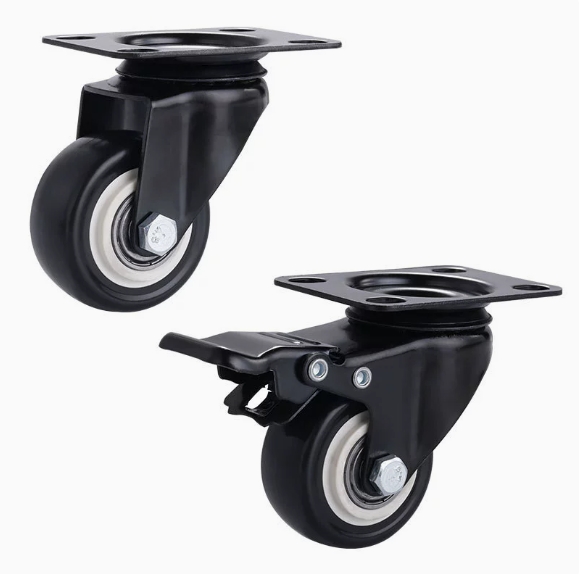
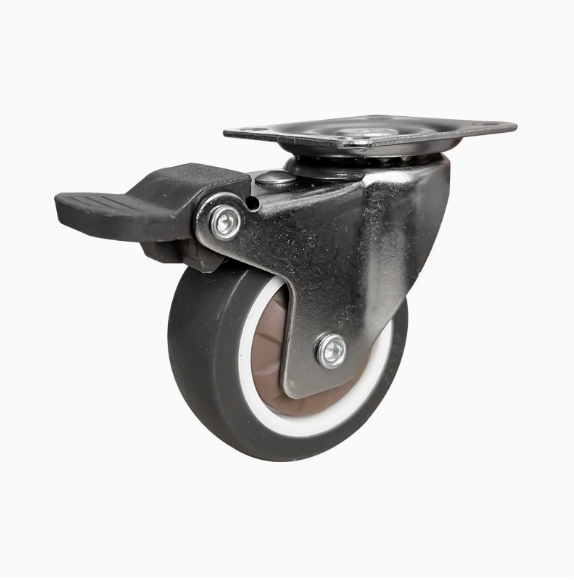
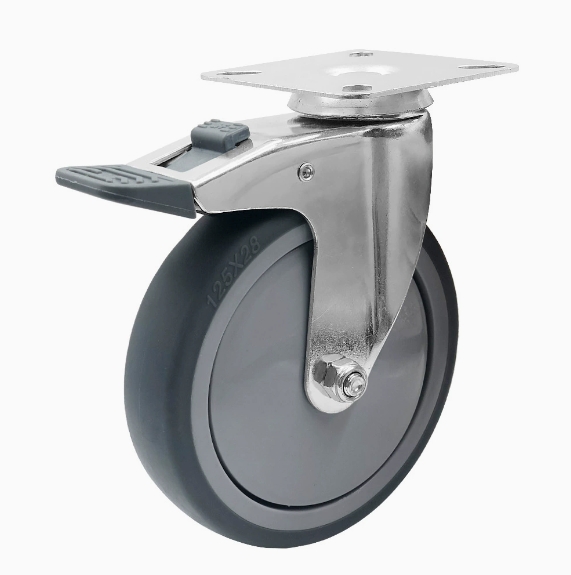
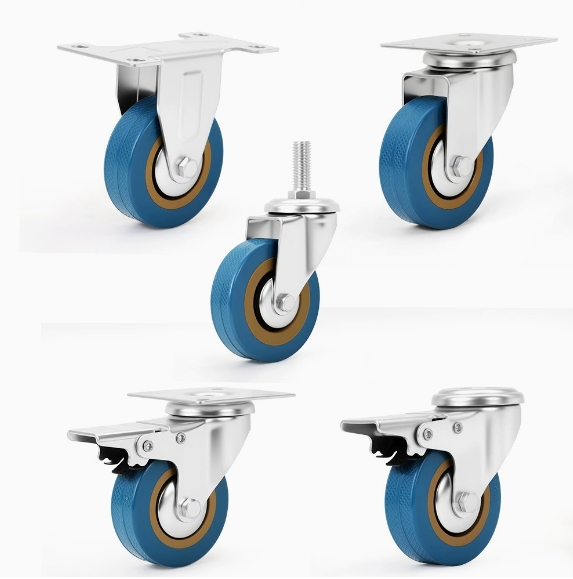
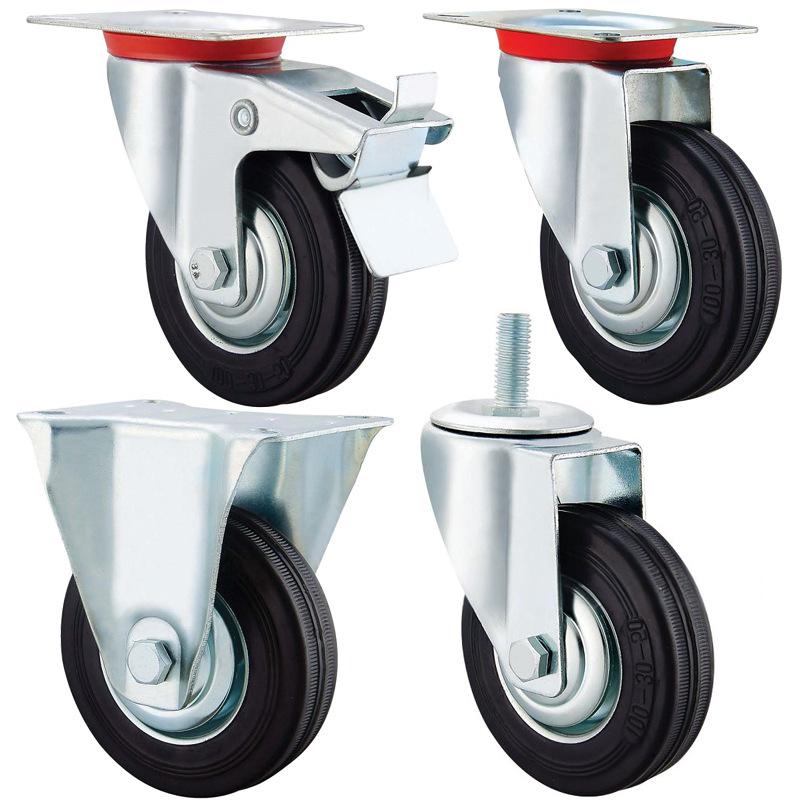
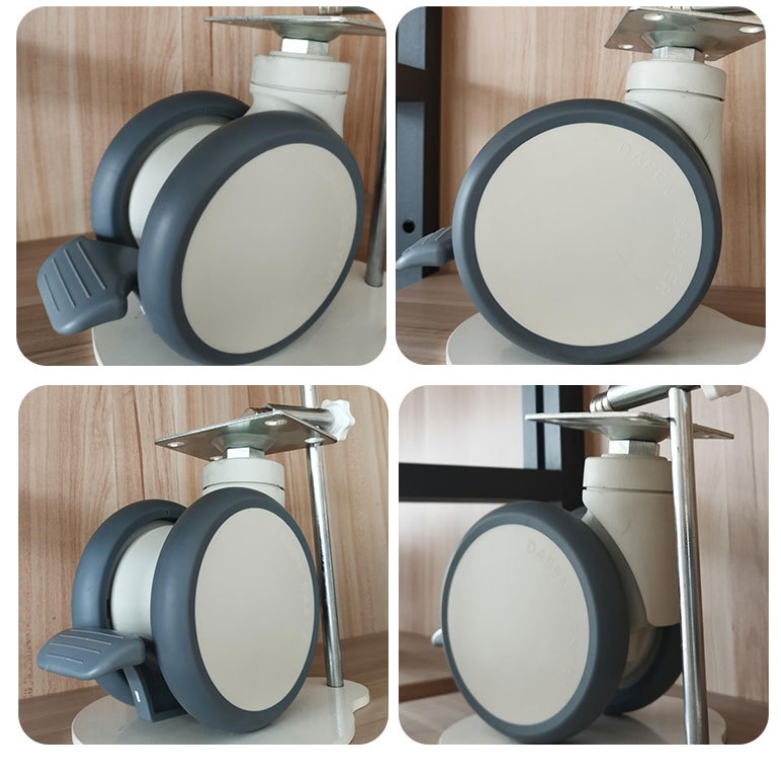
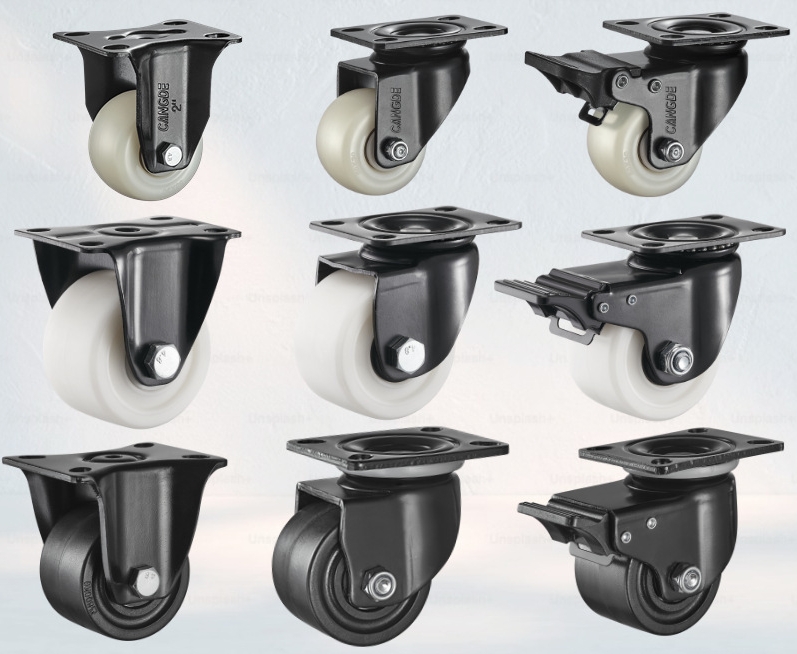
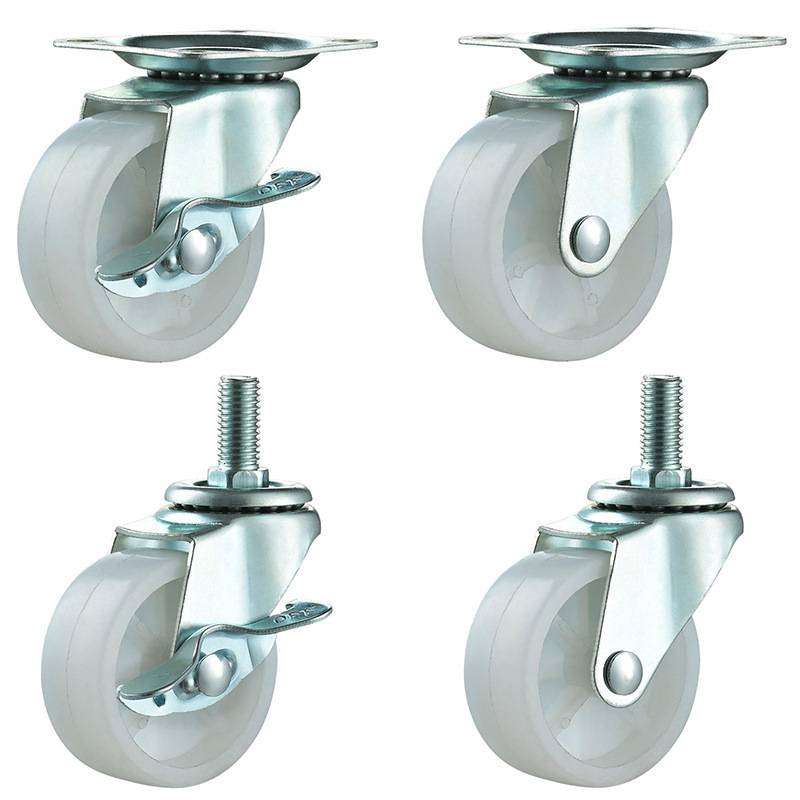
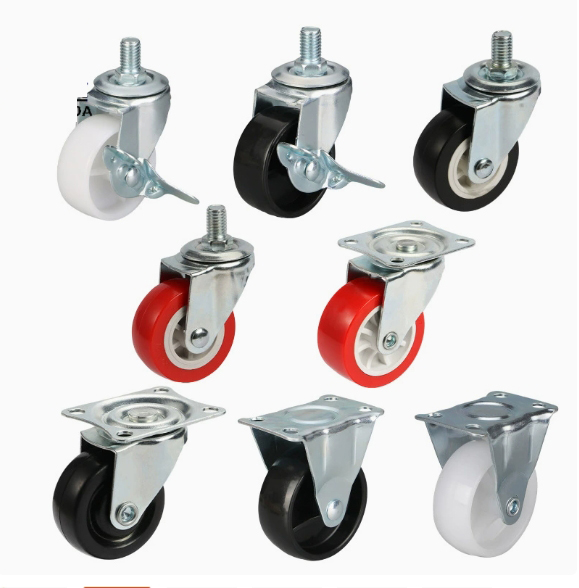
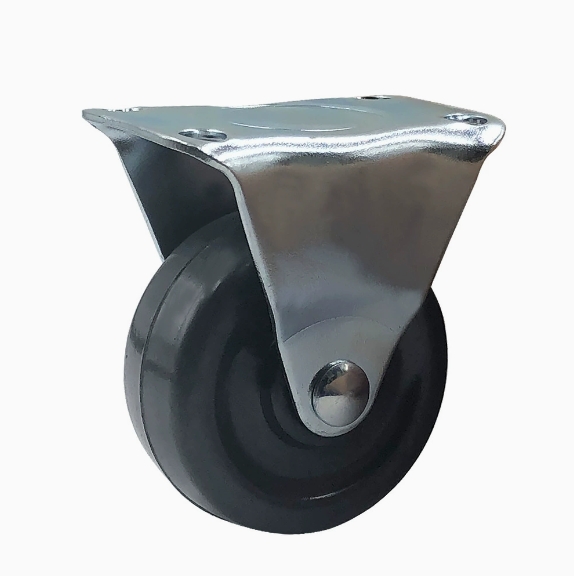
Swivel Caster

Casters can easily move various products

Casters are small, unpowered wheels attached to the bottom of objects to make them easy to move. They are used in many areas of daily life and industry, serving a simple but practical purpose: reducing friction between objects and the ground, allowing people to move heavy or bulky items with less effort.
In offices, casters are commonly found on office chairs and mobile file cabinets. They let people adjust their seating position without standing up and move file cabinets to access documents easily, which helps improve work efficiency. In retail stores, shopping carts and mobile display racks use casters, enabling customers to carry goods conveniently and staff to rearrange displays quickly.
The medical field relies on casters for hospital beds, surgical carts and medication trolleys. Silent and flexible casters allow medical staff to move patients or equipment smoothly without disturbing others, and locking mechanisms on casters keep beds and carts stable during treatment.
In industrial settings, heavy-duty casters are used on platform trucks, assembly line equipment and material handling carts. They can bear large loads, some up to thousands of pounds, making it easy to move heavy components in factories and warehouses. Aerospace and manufacturing plants also use specialized casters for their precision and durability.
At home, casters are used on furniture like mobile kitchen islands, storage cabinets and toy wagons. They help people rearrange furniture to fit different spaces and move items around the house with ease. Casters come in different types to suit various needs, but their core function remains the same: to make movement simpler and more efficient in daily and work environments.

Footed Cup

Casters can easily move various products

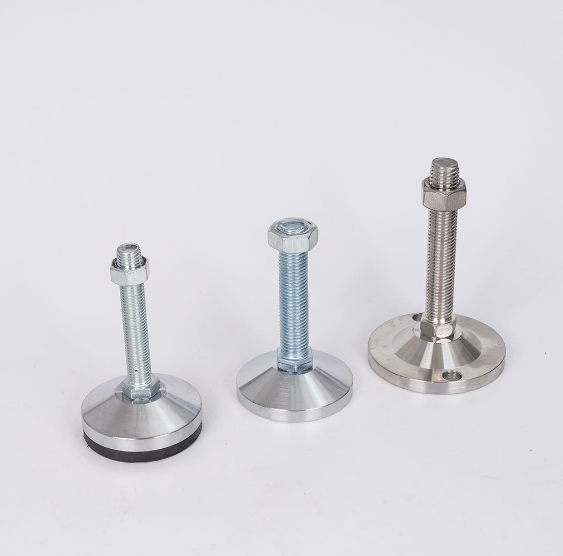
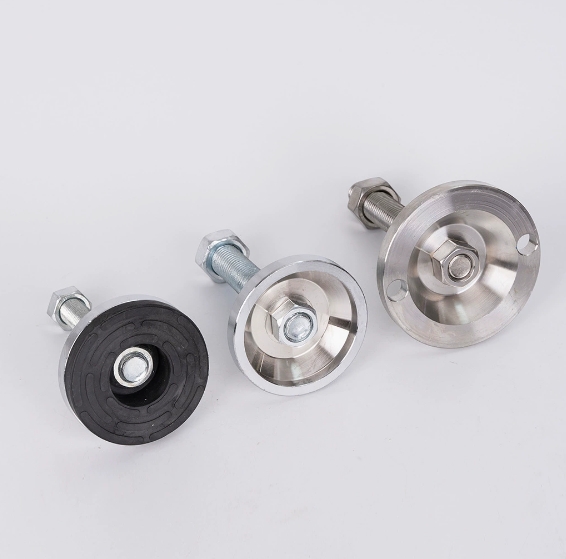
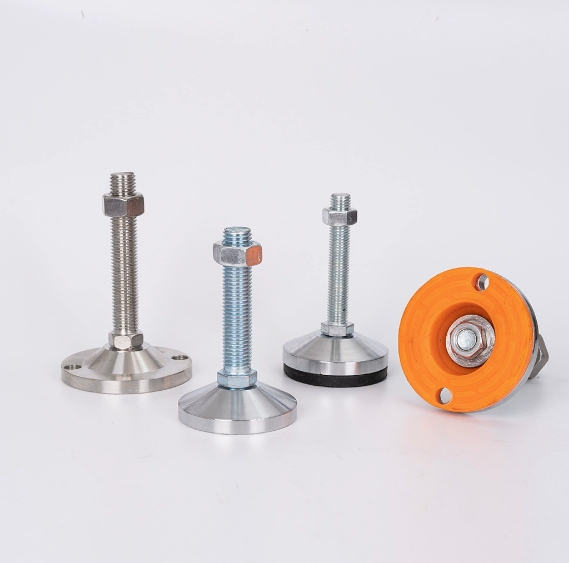
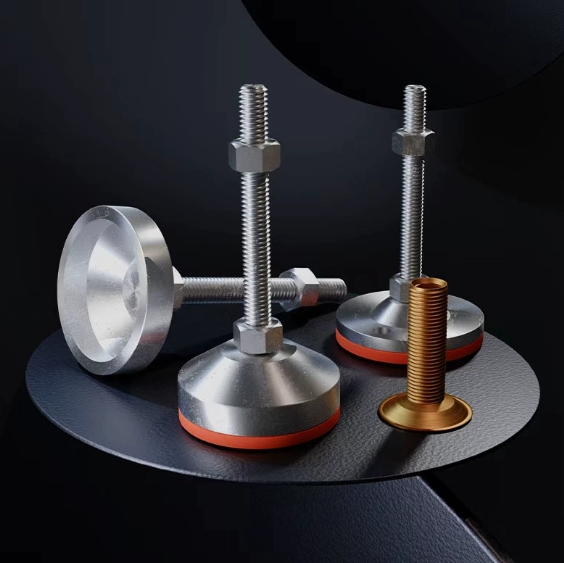
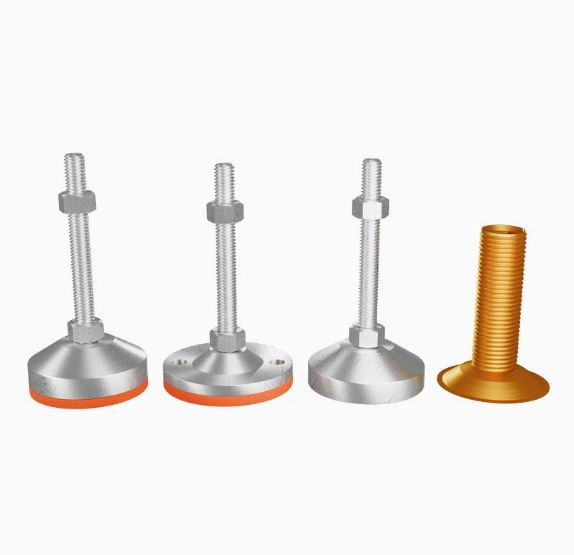
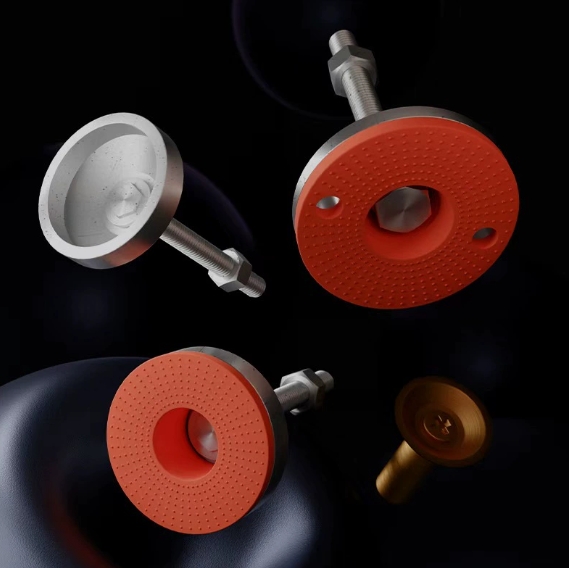
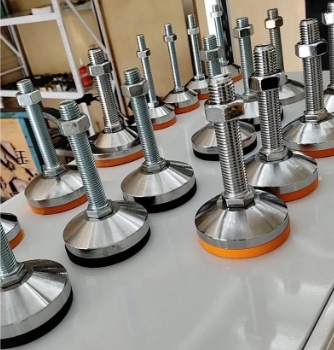
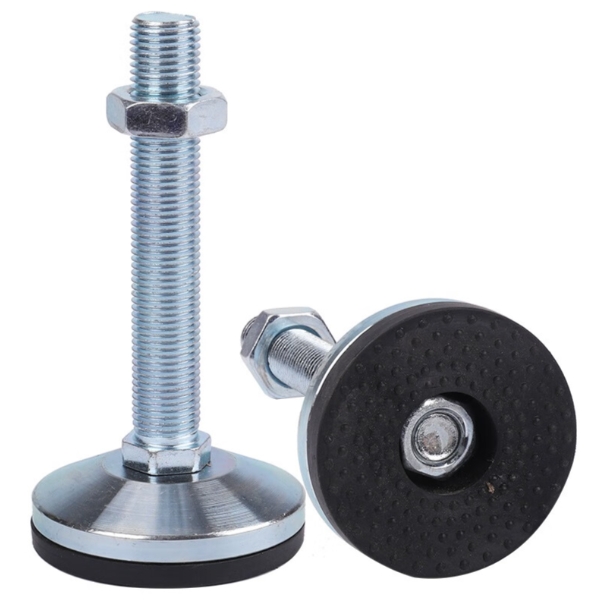
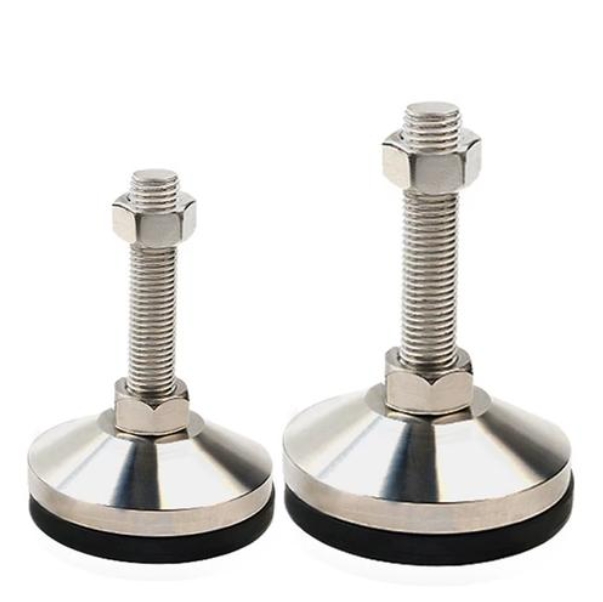
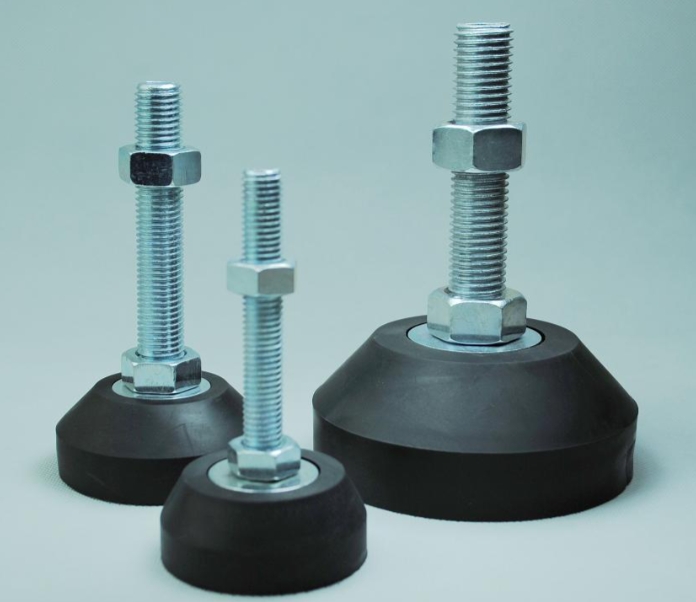
Leveling feet are adjustable supports attached to the bottom of furniture, equipment and machinery. They are designed to stabilize objects on uneven surfaces, prevent wobbling and protect both the objects and the floors they rest on. Unlike wheels, they are fixed and do not allow movement, focusing instead on balance and stability in various settings.
In offices, leveling feet are often used on desks, office cabinets and printer stands. Many office floors are slightly uneven, and these feet can be adjusted to keep furniture steady. This stability helps prevent items on desks from sliding off and reduces noise from wobbling cabinets when they are opened or closed.
In commercial kitchens and restaurants, leveling feet are essential for stainless steel worktables, refrigerators and food preparation equipment. They keep surfaces level to ensure safe food handling—for example, preventing liquids from spilling on worktables. They also raise equipment off the floor, making it easier to clean underneath and reducing the risk of water damage.
In industrial environments, heavy-duty leveling feet are used on machinery, assembly line workbenches and storage racks. They can support large weights, keeping heavy equipment stable during operation. This stability is important for precision work, as even small wobbles can affect the accuracy of machinery or the quality of products being made.
At home, leveling feet are found on furniture like dining tables, bookcases and washing machines. They adjust to uneven floors, keeping tables steady for meals and preventing bookcases from tipping. For appliances like washing machines, they reduce vibration during use, minimizing noise and preventing damage to the floor.
Bearing

Casters can easily move various products

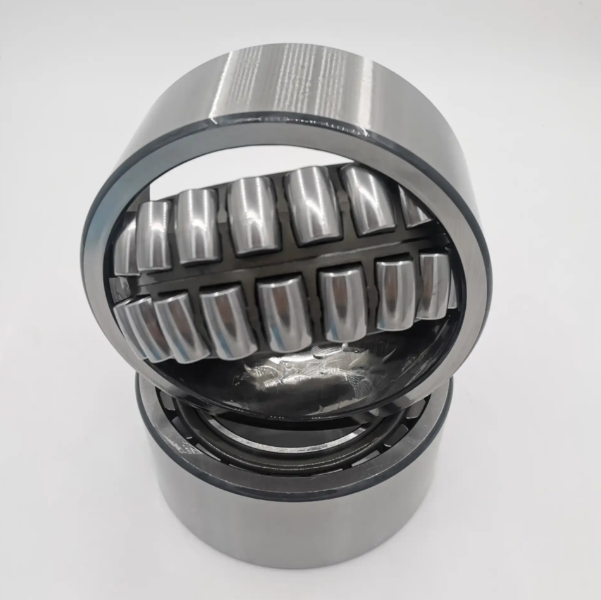
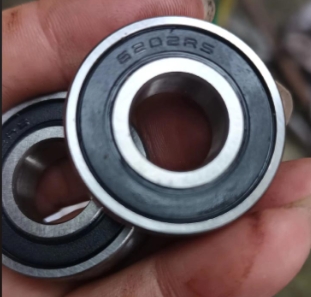
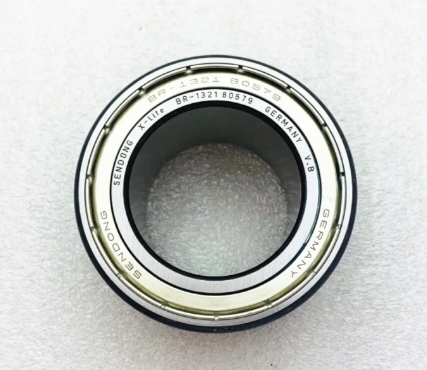
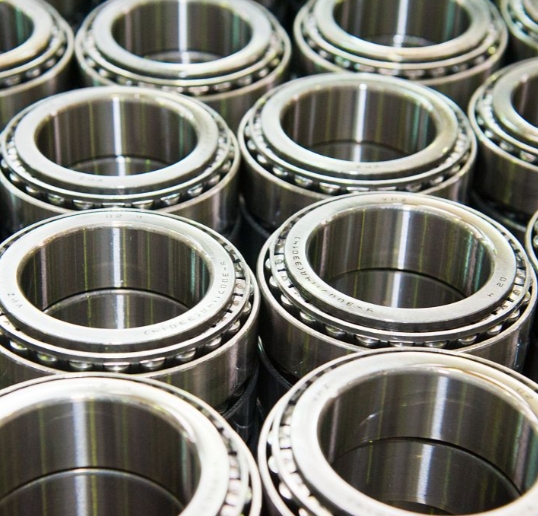
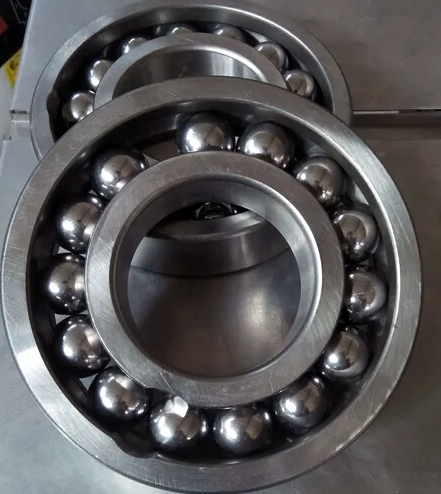
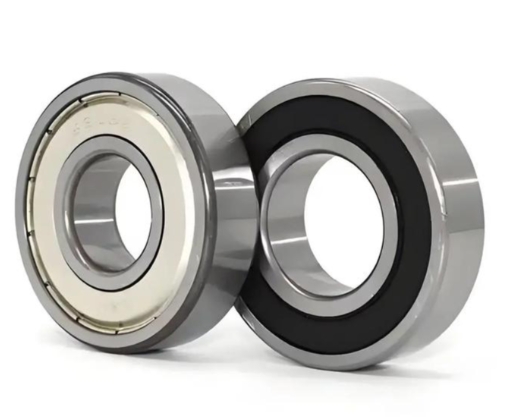
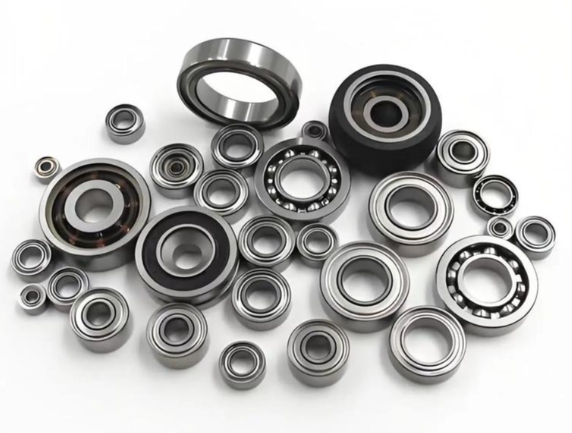
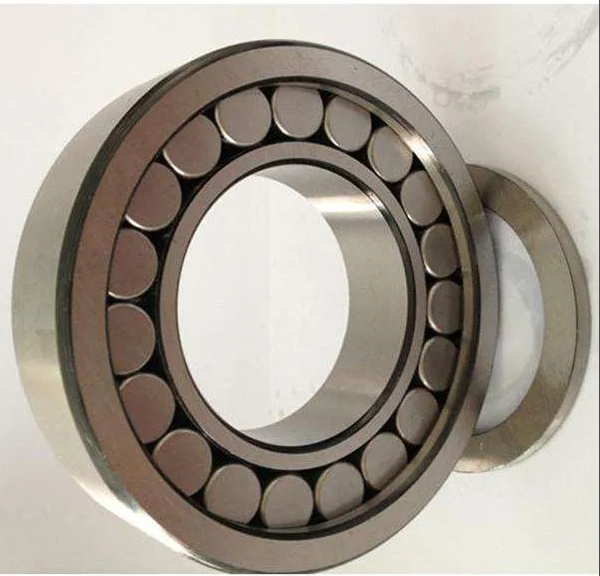
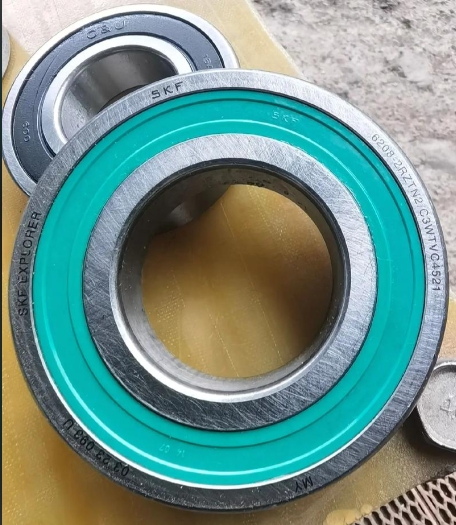
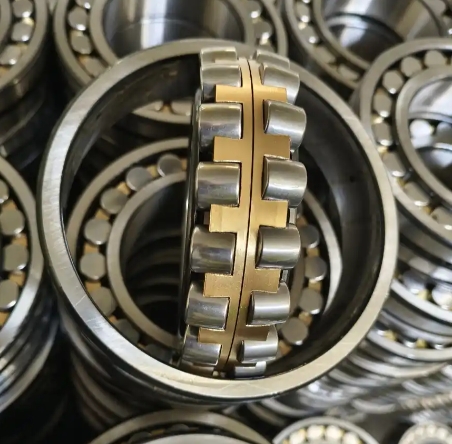
Bearings are basic mechanical components that reduce friction between moving parts and support loads, enabling smooth motion in various machines and equipment. They are widely used in many industries, playing an essential role in daily life and industrial production without being noticed in most cases.
In the automotive industry, bearings are applied in multiple parts. Wheel bearings support the vehicle’s weight and allow wheels to rotate smoothly. They are also used in engines, transmissions and steering systems to reduce friction between rotating shafts and fixed parts, ensuring stable operation and improving fuel efficiency. Every vehicle relies on different types of bearings to run safely and smoothly.
Aerospace systems use precision bearings to adapt to extreme conditions. Jet engines have bearings that operate at high temperatures over 200 degrees Celsius and high speeds exceeding 10,000 rpm, supporting rotating components and ensuring the engine works reliably. Bearings are also used in aircraft landing gear and control systems to guarantee safe takeoffs and landings.
In industrial settings, bearings are crucial for machinery such as conveyor belts, pumps and compressors. They support rotating shafts, reduce energy loss from friction and extend the service life of equipment. Wind turbines also use bearings to support blade rotation, helping convert wind energy into electrical power efficiently.
Bearings also appear in daily items. They are in computer hard drives, household appliances, bicycles and medical equipment like dental drills, enabling precise and smooth movements. All these applications show that bearings are indispensable for modern technology, connecting moving parts and ensuring the stable operation of various systems.