
The internal passages of hospitals are narrow, and beds, rescue vehicles, equipment carts, and anesthesia equipment carts require high-frequency transportation. The corners of corridors, ward door frames, and walls are often hit and bumped by equipment, and the edges and corners of equipment are worn and the paint on the walls is damaged, which are common problems encountered by major hospitals. Medical anti-collision casters are specifically designed for in-hospital collision scenarios, balancing the two core functions of mobile load-bearing and buffering anti-collision. They are important protective accessories for modern medical equipment.
Traditional ordinary casters are only responsible for movement and do not have cushioning and anti-collision design. The transportation equipment passes through corners, and the medical staff pushes it at a slightly faster speed. The edges and corners of the equipment directly hit the walls and door frames, causing long-term repeated impacts. On the one hand, it damages the hospital walls and door frames, increasing logistics maintenance costs; On the other hand, if the equipment casing is deformed due to collision, the internal wiring of the equipment may become loose, affecting the use of monitoring and rescue equipment, and even causing accidental injury to passing medical staff and patients. Ordinary rubber anti-collision strips are installed at the four corners of the equipment, which are prone to detachment and aging, and have limited protective effects. However, medical anti-collision casters with integrated anti-collision structures have stronger stability by integrating cushioning protection into the caster body.
FAQ
Are these medical casters quiet enough for hospital wards?
Yes. Soft rubber wheels greatly reduce rolling noise and will not wake resting patients.
Can the wheels scratch hospital floor tiles?
No. The elastic rubber surface slides gently and protects all kinds of medical flooring.
Do the casters support heavy hospital beds?
Absolutely. Each wheel has strong load capacity to hold full-size medical beds and supply carts.
Is 360-degree rotation available on these casters?
Sure. They rotate freely in all directions, easy for nurses to move gear in narrow aisles.
Does every caster come with a locking brake?
Can I clean the casters with hospital disinfectants?
Yes, they use medical-grade anti-corrosion material safe for regular sanitizing.
Are these wheels suitable for clinic and emergency rooms?
They work perfectly for hospital beds, medicine trolleys, treatment carts and stretchers.
Will the casters wear out quickly with daily heavy use?
The wear-resistant wheel structure offers long service life under frequent daily hospital use.
Medical anti-collision casters are mainly divided into two mainstream structures. One is an external anti-collision buffer rubber ring that wraps around the outside of the caster bracket; Another type of built-in elastic buffering structure can absorb impact force when impacted. Buffer rubber rings are generally made of high toughness rubber or polyurethane, which have strong toughness, resistance to compression, and absorb most of the impact force during impact, avoiding metal brackets from directly hitting the wall. When the trolley or hospital bed touches the wall, the anti-collision rubber ring first contacts the wall, buffering and unloading force, protecting both the wall door frame and the medical equipment body, reducing collision damage.
The medical usage environment has special requirements for the material of anti-collision casters. The anti-collision rubber sleeve needs to be resistant to disinfectant corrosion. Hospitals use alcohol and chlorine containing disinfectants to wipe and disinfect it daily. The rubber ring should not crack, age, or become sticky. Metal brackets are preferably made of stainless steel or thickened galvanized steel, making them less prone to rusting in humid and disinfected environments in hospitals. At the same time, the load-bearing performance cannot be sacrificed due to the addition of anti-collision structures. The anti-collision casters used in hospital beds and transfer stretchers must meet the full load weight of the equipment with a single wheel bearing capacity. The anti-collision structure does not interfere with the universal steering and braking functions. After the brake is locked, the equipment stops stably and will not be displaced due to the elasticity of the anti-collision rubber ring.
Quality Services
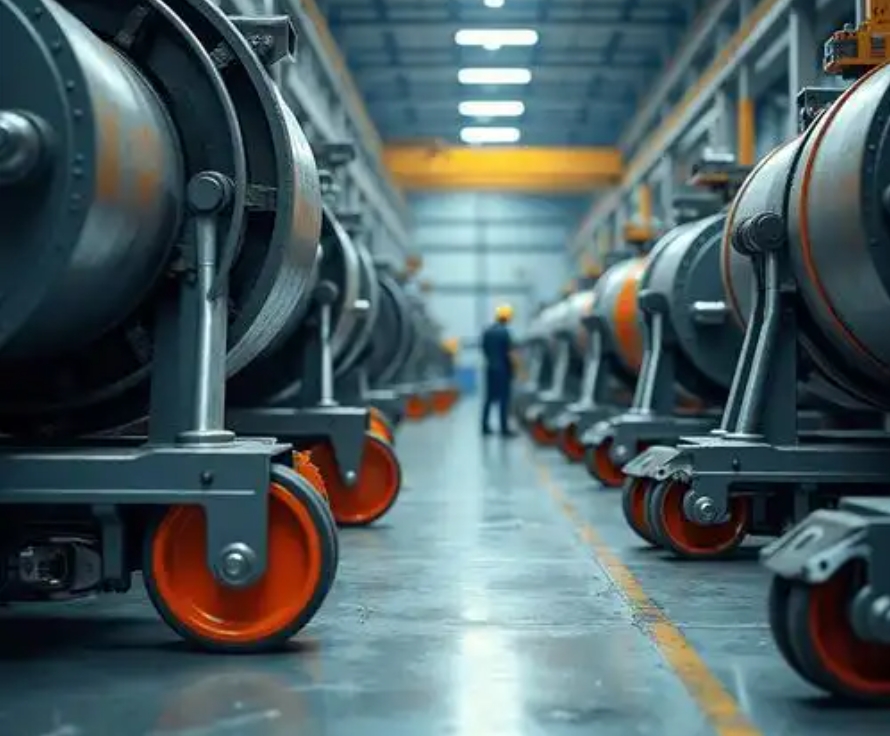
Heavy-Duty Casters
Heavy duty casters can carry heavier equipment, making it easier to move. The main feature is their large load-bearing capacity
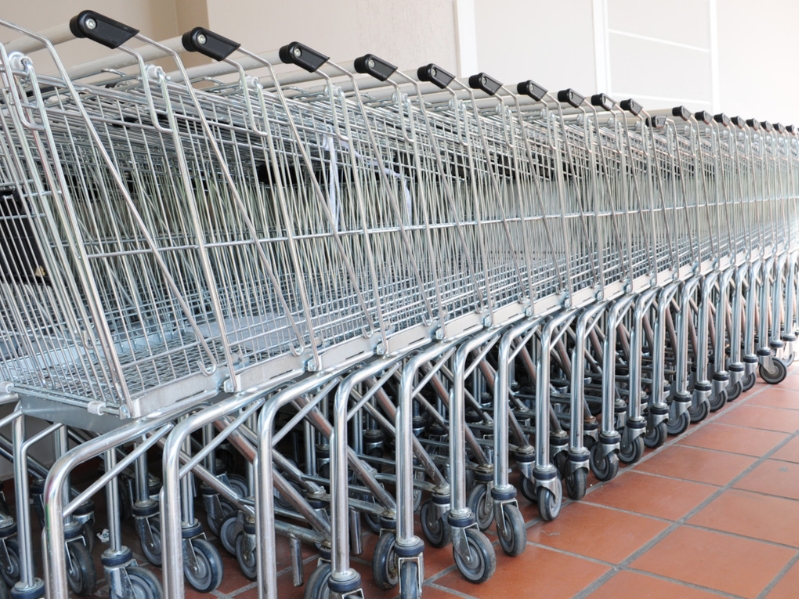
Cart Wheels
Cart casters are mainly used on carts, which are more commonly used in supermarkets and are quieter, reducing the noise of customers' carts
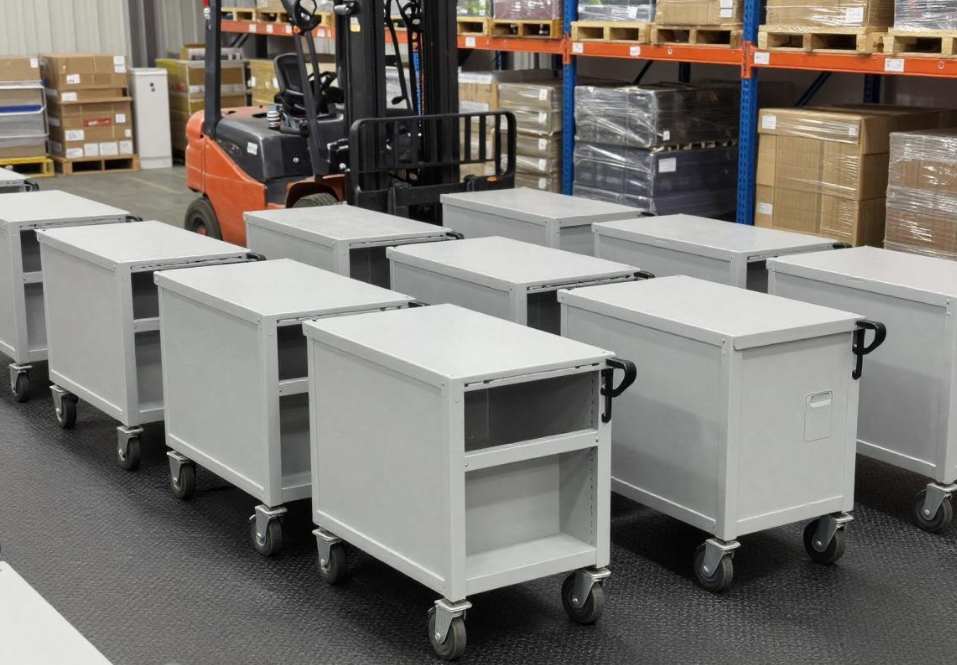
Equipment Casters
The equipment wheels are relatively lightweight and specially placed on the equipment. Some have a silent effect, while others require fast running speed. You can choose according to your own needs
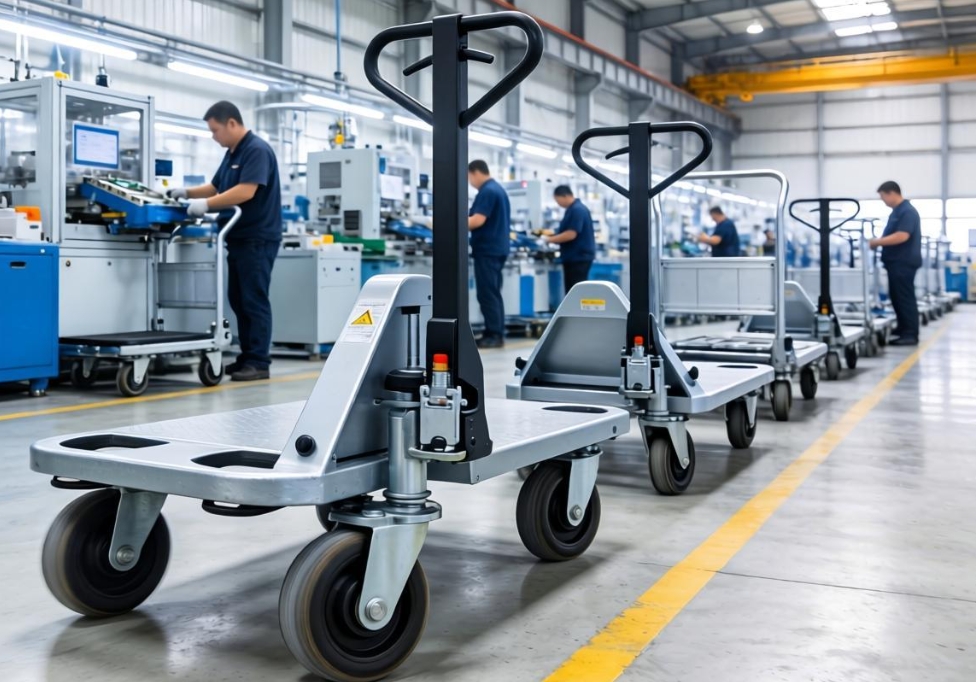
Electric Trolley Wheels
Electric trolley casters are mainly used in electric vehicles. Electric vehicle casters require good flexibility and are generally universal casters that can rotate in every direction
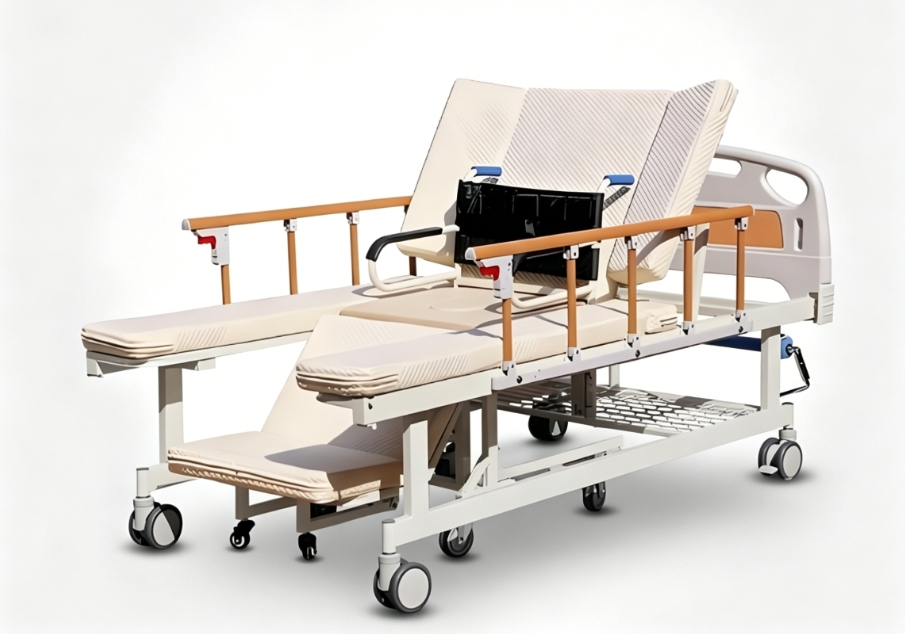
Medical Bed Wheels
Medical bed wheels are mainly placed on medical beds, which require high hygiene standards and quietness to create a quiet environment for patients
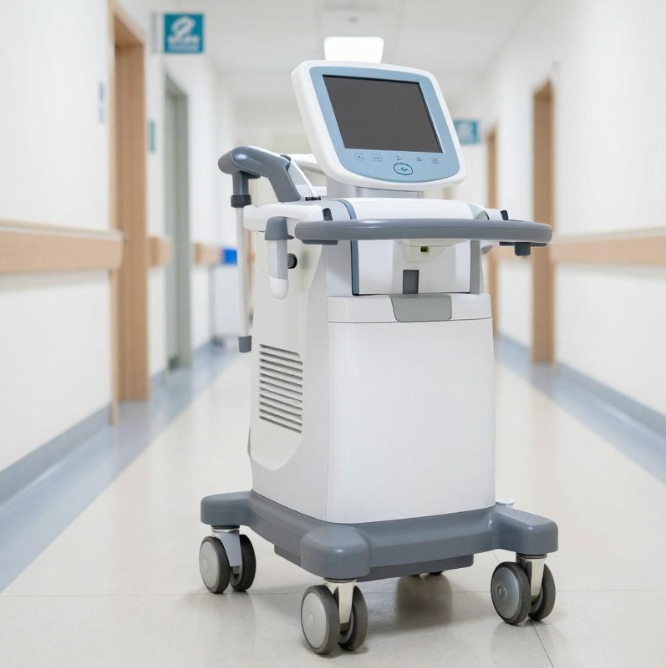
Medical Equipment Wheels
Medical equipment casters with silent effect, automatic braking, and wear resistance
There are distinctions in the selection of different scenarios. Outpatient nursing carts and instrument carts are lightweight and can be equipped with lightweight external anti-collision ring casters; The weight of hospital beds, transfer beds, and rescue carts is large, requiring thicker brackets and collision buffers; The emergency passage has a large flow of people and a high probability of collision, so all equipment should be equipped with medical anti-collision wheels as a priority. When purchasing, it is important to avoid inferior products. Some low-priced anti-collision caster rubber rings have too high hardness and almost no cushioning effect; Or the rubber ring is prone to detachment, and the anti-collision function will fail shortly after use.
Many medical institutions tend to overlook the value of anti-collision accessories and consider wall collisions as normal wear and tear. However, in the long run, frequent maintenance of walls and repair of damaged medical equipment can result in high overall costs. Assembling medical anti-collision casters belongs to the front protection investment, reducing equipment damage and maintenance, lowering logistics maintenance workload, and avoiding safety hazards caused by collisions. The small medical anti-collision wheels not only protect the infrastructure in the hospital, but also extend the service life of medical equipment, bringing tangible value to the daily operation of the hospital.
Get Quote
Are you ready? I’m glad to see your message form
Frequently Asked Questions
We usually quote within 24 hours after we get your inquiry(Except weekend and holidays). If you are very urgent to get the price, please email us or contact us in other ways so that we can offer you a quote.
It depends on the order quantity and the season you place the order. Usually we can ship within 7-15 days for small quantity,and about 30 days for large quantity.
Lorem ipsum dolor sit amet, consectetur adipiscing elit. Ut elit tellus, luctus nec ullamcorper mattis, pulvinar dapibus leo.
Online Trade Assurance is welcome,T/T,Western Union,MoneyGram,and Paypal.This is negotiable.
It could be shipped by sea,by air or by express(EMS,UPS,DHL,TNT,FEDEX and ect).Please confirm with us before placing orders.
1 : We keep good quality and competitive price to ensure our customers benefit ;
2 : We respect every customer as our friend and we sincerely do business and make friends with them, no matter where they come from.